In the rapidly evolving world of cryptocurrency, understanding the role of a crypto wallet is essential for anyone looking to engage with digital assets. A crypto wallet serves as a digital tool that allows users to store, send, and receive cryptocurrencies securely. Unlike traditional wallets that hold physical cash, crypto wallets do not store the actual coins; instead, they store the cryptographic keys that provide access to your digital assets on the blockchain. This fundamental difference highlights the importance of safeguarding these keys, as losing them can result in losing access to your funds.There are several types of crypto wallets, each designed to cater to different user needs and preferences.
The primary categories include hot wallets and cold wallets. Hot wallets are connected to the internet and are typically more user-friendly, making them ideal for beginners who need quick access to their funds for trading or transactions. Examples of hot wallets include mobile apps and web-based platforms. On the other hand, cold wallets are offline storage solutions that offer enhanced security against hacking and online threats.
These include hardware wallets and paper wallets, which are recommended for users looking to hold their assets long-term without frequent transactions.Understanding how crypto wallets work is crucial for navigating the cryptocurrency landscape effectively. When you create a wallet, it generates a pair of cryptographic keys: a public key, which acts like an account number that you can share with others to receive funds, and a private key, which is akin to a password that must be kept secret. Transactions are initiated by signing them with your private key, ensuring that only you can authorize the movement of your assets. This process not only secures your funds but also provides transparency through the blockchain, where all transactions are recorded and can be verified by anyone.As you delve deeper into the world of cryptocurrencies, grasping these foundational concepts about crypto wallets will empower you to make informed decisions about how to manage your digital assets safely and efficiently.
Whether you're just starting or looking to enhance your existing knowledge, understanding these elements will set the stage for exploring more advanced topics in cryptocurrency management.
Types of Crypto Wallets
When it comes to managing your cryptocurrency, understanding the different types of crypto wallets is crucial. Each type offers unique features, benefits, and drawbacks that cater to various user needs. The two primary categories of crypto wallets are hot wallets and cold wallets , each serving distinct purposes in the realm of digital asset management.Hot Wallets
Hot wallets
are connected to the internet, making them convenient for everyday transactions. They are ideal for users who frequently buy, sell, or trade cryptocurrencies.
Here are some common types of hot wallets:
- Web Wallets: Accessible through web browsers, these wallets allow users to manage their crypto assets from any device with internet access. While they offer ease of use, they can be vulnerable to hacking.
- Mobile Wallets: Designed for smartphones, mobile wallets provide a user-friendly interface for managing cryptocurrencies on the go. They often include features like QR code scanning for quick transactions.
- Desktop Wallets: Installed on personal computers, desktop wallets offer more security than web wallets but are still susceptible to malware and phishing attacks.
Cold Wallets
Cold wallets
, on the other hand, are not connected to the internet, providing a higher level of security for long-term storage of cryptocurrencies.
They are best suited for users who prefer to hold their assets without frequent transactions. The most common types of cold wallets include:
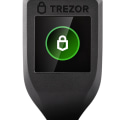
- Hardware Wallets: These physical devices store your private keys offline. Popular options like the Ledger Nano X and Trezor Model T offer robust security features and support for multiple cryptocurrencies.
- Paper Wallets: A paper wallet is a physical printout of your public and private keys. While they are immune to online attacks, they can be easily lost or damaged if not stored properly.
However, they may not be as convenient for regular transactions as hot wallets.In summary, choosing between hot and cold wallets depends on your individual needs. If you prioritize accessibility and frequent trading, a hot wallet may be suitable. Conversely, if security is your main concern and you plan to hold your assets long-term, a cold wallet is likely the better option.
Best Crypto Wallets for Beginners
For those just stepping into the world of cryptocurrency, selecting the right wallet is crucial for a smooth and secure experience. The best crypto wallets for beginners are designed with user-friendliness in mind, ensuring that newcomers can easily navigate the complexities of digital currency management.Here are some of the top choices:- Coinbase WalletCoinbase Wallet : This wallet is an extension of the popular Coinbase exchange, making it incredibly easy for beginners to buy, sell, and store cryptocurrencies.
Its intuitive interface allows users to manage their assets without feeling overwhelmed. Additionally, Coinbase Wallet supports a wide range of cryptocurrencies, providing flexibility as users expand their portfolios.
- Exodus : Known for its visually appealing design and user-friendly interface, Exodus is a desktop and mobile wallet that caters to beginners. It offers built-in exchange features, allowing users to swap between over 150 cryptocurrencies seamlessly. The wallet also provides excellent customer support, which is invaluable for those new to crypto.
- Trust Wallet : As the official wallet of Binance, Trust Wallet is a mobile-only option that supports a vast array of cryptocurrencies.
Its straightforward setup process and easy-to-use interface make it an excellent choice for beginners. Trust Wallet also emphasizes security with features like biometric authentication and private key control.
- Atomic Wallet : This multi-currency wallet allows users to manage their crypto assets in one place. With a simple setup process and an integrated exchange feature, Atomic Wallet is perfect for beginners looking to explore various cryptocurrencies without the hassle of multiple wallets.
- User-Friendly Interface : A clean and intuitive design helps users navigate the wallet easily without confusion.
- Security Features : Look for wallets that offer two-factor authentication (2FA), biometric security options, and private key control to ensure your assets are safe.
- Customer Support : Access to responsive customer service can be a lifesaver for beginners who may encounter issues or have questions about their wallets.
- Educational Resources : Some wallets provide tutorials or guides that help users understand how to use their features effectively.
Top Crypto Wallets for Advanced Users
For seasoned cryptocurrency enthusiasts, selecting the right crypto wallet is crucial for managing their assets effectively. Advanced users often require features that go beyond basic functionality, focusing on enhanced security, customization, and multi-currency support.Here are some of the top crypto wallets that cater specifically to advanced users:
- Electrum : This wallet is a favorite among experienced Bitcoin users due to its lightweight design and robust security features. Electrum allows users to set custom transaction fees, which can be particularly useful during times of network congestion. Additionally, it supports hardware wallets for added security and offers multi-signature capabilities, ensuring that transactions require multiple approvals before execution.
- Mycelium : Primarily a mobile wallet, Mycelium is known for its advanced features tailored for Bitcoin users. It supports hardware wallets and offers a built-in exchange for trading directly within the app.
Mycelium also provides users with the option to create watch-only accounts, allowing them to monitor their assets without exposing their private keys.
- Ledger Nano X : As one of the leading hardware wallets, the Ledger Nano X combines high-level security with user-friendly features. It supports over 1,800 cryptocurrencies and allows users to manage multiple accounts seamlessly. The Bluetooth connectivity feature enables easy access via mobile devices while maintaining a secure offline environment for private keys.
- Trezor Model T : This hardware wallet stands out with its intuitive touchscreen interface and extensive support for various cryptocurrencies. Trezor offers advanced security features such as passphrase entry and recovery seed generation, making it an excellent choice for those looking to HODL their assets securely.
- Multi-Signature Support : This feature requires multiple private keys to authorize a transaction, significantly enhancing security against unauthorized access.
- Custom Transaction Fees : The ability to set transaction fees allows users to optimize their costs based on network conditions.
- Hardware Wallet Integration : Many advanced wallets support integration with hardware wallets, providing an extra layer of security by keeping private keys offline.
By focusing on wallets that offer enhanced security features and customization options, they can ensure that their cryptocurrency investments are well-protected while enjoying the flexibility required for active trading and management.
Security Features to Look For in a Crypto Wallet
When selecting a crypto wallet, security should be your top priority. With the increasing number of cyber threats targeting cryptocurrency holders, understanding the essential security features of a wallet is crucial. Here are some key security features to consider:- Two-Factor Authentication (2FA): This adds an extra layer of security by requiring not only a password but also a second form of verification, such as a text message or authentication app code.
- Private Key Control: Ensure that you have full control over your private keys. A wallet that allows you to manage your own keys is generally more secure than one where the provider holds them.
- Multi-Signature Support: Multi-signature wallets require multiple private keys to authorize a transaction, making it significantly harder for unauthorized users to access your funds.
- Cold Storage Options: Look for wallets that offer cold storage solutions, which keep your assets offline and away from potential online threats.
- Regular Software Updates: A wallet that frequently updates its software is likely to address vulnerabilities and improve security features.
- Use Strong Passwords: Create complex passwords that are difficult to guess and change them regularly.
- Backup Your Wallet: Regularly back up your wallet data and store it in a secure location.
This ensures you can recover your funds in case of device loss or failure.
- Avoid Public Wi-Fi: When accessing your wallet, avoid using public Wi-Fi networks, as they can be insecure and expose you to hacking attempts.
- Be Wary of Phishing Scams: Always verify the authenticity of websites and emails before entering sensitive information. Phishing attacks are common in the crypto space.
Common Mistakes to Avoid When Using Crypto Wallets
When it comes to managing your cryptocurrency, using a crypto wallet can be both empowering and daunting.However, many users—regardless of their experience level—fall into common traps that can jeopardize their assets. Here are some prevalent mistakes to avoid when using crypto wallets:
- Neglecting Security Measures: One of the biggest errors is underestimating the importance of security. Many users fail to enable two-factor authentication (2FA) or use weak passwords. Always opt for strong, unique passwords and enable 2FA whenever possible to add an extra layer of protection.
- Using Public Wi-Fi: Accessing your crypto wallet over public Wi-Fi networks can expose you to hacking attempts.
Avoid logging into your wallet or making transactions on unsecured networks. Instead, use a VPN or stick to secure, private connections.
- Not Backing Up Wallets: Failing to back up your wallet can lead to irreversible loss of funds. Regularly back up your wallet and store the backup in a secure location. This ensures that you can recover your assets in case of device failure or loss.
- Ignoring Software Updates: Many users overlook the importance of keeping their wallet software up to date.
Updates often include critical security patches that protect against vulnerabilities. Make it a habit to check for updates regularly.
- Overlooking Transaction Fees: Some wallets allow users to set custom transaction fees, but many beginners may not understand how these fees work. Always review the fees associated with transactions, as they can vary significantly between wallets and networks.
- Storing All Assets in One Wallet: While it may seem convenient, keeping all your cryptocurrencies in one wallet increases risk. Consider diversifying your holdings across multiple wallets—both hot and cold—to enhance security.
- Falling for Phishing Scams: Phishing attacks are prevalent in the crypto space.
Be cautious of unsolicited emails or messages asking for your wallet information. Always verify the source before clicking on links or providing sensitive information.
Frequently Asked Questions About Crypto Wallets
As cryptocurrency continues to gain traction, many users find themselves with questions about crypto wallets and how to effectively use them. Below are some of the most frequently asked questions that can help clarify common doubts and misconceptions regarding cryptocurrency storage.What is a crypto wallet?
A crypto wallet is a digital tool that allows users to store, send, and receive cryptocurrencies.Unlike a traditional wallet that holds physical cash, a crypto wallet stores your public and private keys, which are essential for managing your digital assets. There are various types of wallets, including hot wallets (connected to the internet) and cold wallets (offline storage).
Are crypto wallets safe?
The safety of a crypto wallet largely depends on the type of wallet you choose and how you manage it. Cold wallets, such as hardware wallets, are generally considered more secure because they are not connected to the internet, reducing the risk of hacking. Hot wallets, while more convenient for frequent transactions, can be vulnerable to online threats.Always ensure you use strong passwords and enable two-factor authentication when available.
Can I lose my cryptocurrency?
Yes, it is possible to lose access to your cryptocurrency if you lose your wallet or forget your private keys. This is why it is crucial to back up your wallet and keep your recovery phrases in a secure location. If someone gains access to your private keys, they can control your funds, so safeguarding this information is paramount.What’s the difference between a hot wallet and a cold wallet?
- Hot Wallet: These wallets are connected to the internet and allow for quick access to your funds. They are ideal for everyday transactions but come with higher security risks.
- Cold Wallet: These wallets are offline and provide enhanced security for long-term storage of cryptocurrencies.
They are less convenient for frequent transactions but significantly reduce the risk of hacking.
Do I need multiple wallets?
Having multiple crypto wallets can be beneficial depending on your needs. For instance, you might use a hot wallet for daily transactions while keeping the majority of your assets in a cold wallet for security. Diversifying your storage methods can help mitigate risks associated with loss or theft.How do I choose the right crypto wallet?
Selecting the right crypto wallet depends on several factors:- Your experience level: Beginners may prefer user-friendly options like mobile or web wallets, while advanced users might opt for hardware wallets with more features.
- Your transaction frequency: If you trade frequently, a hot wallet may be more suitable; for long-term holding, consider a cold wallet.
- The cryptocurrencies you own: Ensure that the wallet supports all the cryptocurrencies you plan to store.
Conclusion: Choosing the Right Crypto Wallet for You
In conclusion, selecting the right crypto wallet is a crucial step for anyone looking to engage with cryptocurrencies, whether you are just starting out or are a seasoned investor. The variety of wallets available today caters to different needs, preferences, and levels of expertise.Understanding the distinctions between hot wallets and cold wallets is essential in making an informed decision.For beginners, user-friendly options like Coinbase and Exodus provide a seamless experience for buying, selling, and managing cryptocurrencies. These wallets not only offer intuitive interfaces but also come with integrated features that simplify the process of trading and storing digital assets. If you prioritize ease of use and customer support, these wallets are excellent choices.On the other hand, advanced users may find more value in wallets like Electrum or Mycelium , which offer enhanced security features and customization options. These wallets allow users to set transaction fees and choose their preferred security levels, catering to those who require more control over their crypto transactions.For those looking to invest significantly in cryptocurrencies, hardware wallets such as the Ledger Nano X or Trezor Model T provide robust security measures that protect your assets from online threats.
These cold storage solutions are ideal for long-term holders who want peace of mind knowing their investments are safe from potential hacks.Ultimately, the best crypto wallet for you will depend on your individual needs, investment strategy, and comfort level with technology. Take the time to assess your requirements—whether it’s ease of access, security features, or support for multiple cryptocurrencies—and choose a wallet that aligns with your goals.As you embark on your cryptocurrency journey, remember that the right wallet can make all the difference in managing your digital assets effectively. Don’t hesitate to explore different options and find the one that feels right for you. Your choice today can pave the way for a secure and rewarding experience in the world of cryptocurrency.