In the rapidly evolving world of cryptocurrencies, understanding the role of a crypto wallet is essential for anyone looking to engage with digital assets. A crypto wallet serves as a digital tool that allows users to store, send, and receive cryptocurrencies securely. Unlike traditional wallets that hold physical cash, crypto wallets manage the cryptographic keys necessary to access and control your digital currencies. These keys are crucial because they provide the means to authorize transactions and prove ownership of your assets on the blockchain.
Just as you would want to ensure your rental car is protected with options like Amex Cover For Rental Car Insurance, securing your digital assets is equally important.There are primarily two types of crypto wallets: Just as you would want to ensure your rental car is protected with options like Amex Cover For Rental Car Insurance, securing your digital assets is equally important.There are primarily two types of crypto wallets: hot wallets and cold wallets. Hot wallets are connected to the internet, making them convenient for frequent transactions and trading. They come in various forms, including mobile apps, desktop applications, and web-based platforms. While hot wallets offer ease of access, they also present a higher risk of hacking and theft due to their online nature.
On the other hand, cold wallets are offline storage solutions that provide enhanced security by keeping your private keys away from potential online threats. These include hardware wallets and paper wallets, which are ideal for long-term storage of cryptocurrencies.Understanding how these wallets function is vital for safeguarding your investments. When you create a wallet, it generates a pair of cryptographic keys: a public key, which acts like an account number that you can share with others to receive funds, and a private key, which must be kept secret as it allows you to access and manage your assets. Transactions made through a crypto wallet involve signing with your private key, ensuring that only you can authorize the transfer of your funds.
This unique mechanism not only secures your assets but also maintains the integrity of the blockchain network.
Types of Crypto Wallets
When it comes to managing cryptocurrencies, understanding the different types of crypto wallets is essential for ensuring the safety and accessibility of your digital assets. Broadly, crypto wallets can be categorized into two main types: hot wallets and cold wallets .Hot Wallets
Hot wallets are connected to the internet, making them convenient for frequent transactions. They are ideal for users who actively trade or use their cryptocurrencies regularly. However, this connectivity also makes them more vulnerable to hacking and cyber threats.Here are some common types of hot wallets:
- Software Wallets: These are applications that can be installed on your computer or mobile device. They offer a user-friendly interface and allow for quick access to your funds. Examples include Exodus and Mycelium.
- Web Wallets: Accessible through web browsers, these wallets store your private keys online. While they provide ease of access from any device, they also pose higher security risks.
Coinbase Wallet is a popular example.
Cold Wallets
In contrast, cold wallets are not connected to the internet, making them significantly more secure against online threats. They are best suited for long-term storage of cryptocurrencies. The main types of cold wallets include:- Hardware Wallets: These physical devices store your private keys offline. They are considered one of the safest options for storing cryptocurrencies due to their robust security features.
Popular hardware wallets include Ledger and Trezor.
- Paper Wallets: A paper wallet involves printing your public and private keys on a piece of paper. While this method is highly secure from online attacks, it is crucial to keep the paper safe from physical damage or loss.
Key Features of a Safe Crypto Wallet
When selecting a crypto wallet, understanding the key features that enhance its safety is crucial.A secure wallet not only protects your digital assets but also provides peace of mind as you navigate the world of cryptocurrencies. Here are some essential features to consider:
- Private Key Management: The private key is a critical component of any crypto wallet. It acts as a password that grants access to your funds. A safe wallet should allow users to manage their private keys securely, ideally giving them full control over them.
Look for wallets that do not store your private keys on their servers, as this can expose you to potential hacks.
- Two-Factor Authentication (2FA): Implementing 2FA adds an extra layer of security by requiring not just a password but also a second form of verification, such as a code sent to your mobile device. This significantly reduces the risk of unauthorized access, making it a vital feature in any secure crypto wallet.
- Encryption Methods: Strong encryption is essential for protecting sensitive information within the wallet. Look for wallets that utilize advanced encryption standards (AES) to safeguard your private keys and transaction data. This ensures that even if someone gains access to your device, they cannot easily retrieve your information.
- Backup Options: A reliable crypto wallet should offer robust backup options.
This includes the ability to create recovery phrases or seed phrases that can restore your wallet in case of device loss or failure. Ensure that these backup methods are easy to use and securely stored.
- User Control Over Funds: The best wallets empower users with complete control over their funds. This means you should be able to send, receive, and manage your cryptocurrencies without relying on third-party services. Non-custodial wallets are particularly favorable as they do not hold your funds on your behalf.
These elements collectively contribute to a safer experience in managing your digital assets.
Top Safe Crypto Wallets Reviewed
When it comes to securing your digital assets, choosing the right crypto wallet is crucial. Below, we delve into some of the top safe crypto wallets available today, evaluating their security features, usability, supported cryptocurrencies, and unique offerings.Ledger
Ledger is a leading name in the hardware wallet space, known for its robust security measures. The Ledger Nano S and Nano X are two popular models that store private keys offline, making them less vulnerable to online threats. Both devices support a wide range of cryptocurrencies, including Bitcoin, Ethereum, and many altcoins.The Nano X offers Bluetooth connectivity for mobile use, while the Nano S is more budget-friendly. Ledger's proprietary software, Ledger Live, provides an intuitive interface for managing assets and transactions.
Trezor
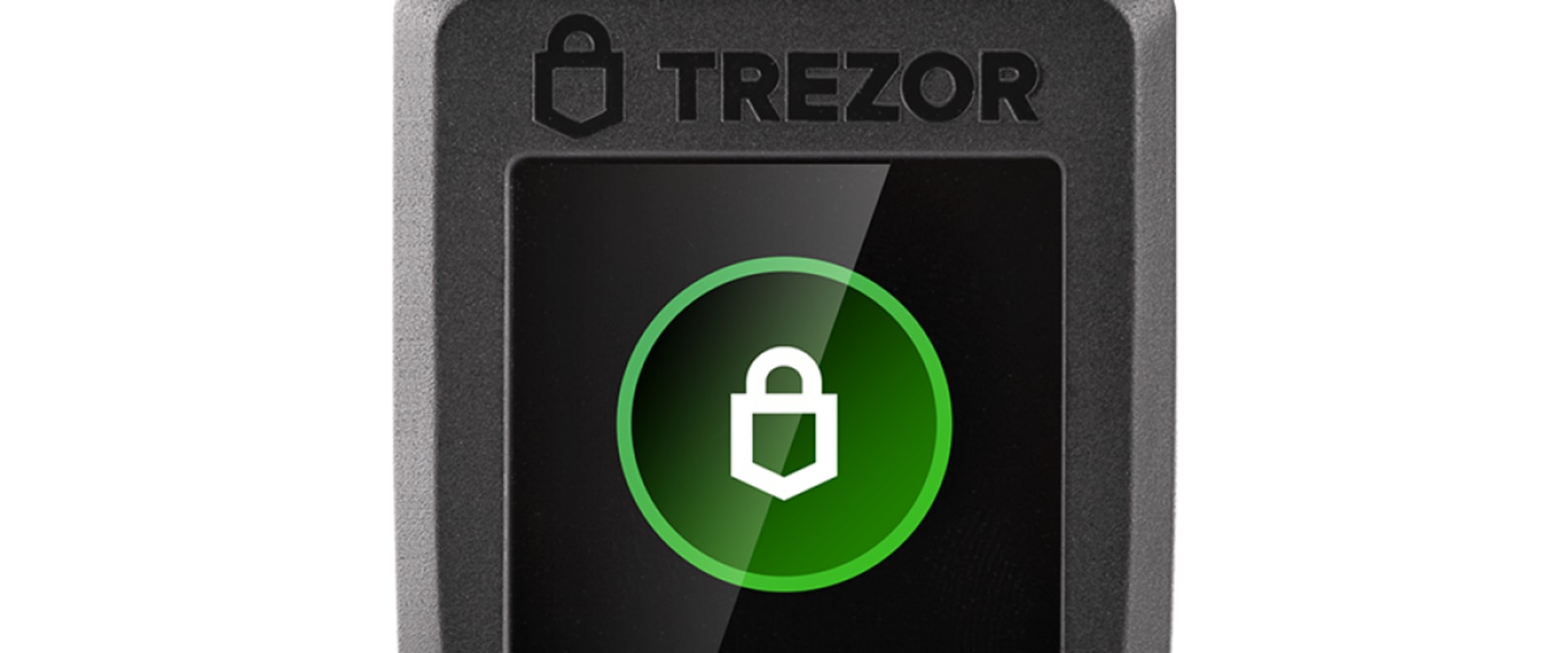
Trezor is another reputable hardware wallet that prioritizes security. The Trezor One and Trezor Model T are designed with a focus on user-friendliness and advanced security features such as PIN protection and recovery seed backup. Trezor supports over 1,600 cryptocurrencies and integrates seamlessly with various third-party wallets and exchanges.The Model T features a touchscreen for easier navigation, making it a favorite among both beginners and experienced users.
Exodus
Exodus is a software wallet that stands out for its user-friendly interface and built-in exchange feature. Available on desktop and mobile platforms, Exodus allows users to manage multiple cryptocurrencies in one place. While it offers a visually appealing design and ease of use, it's important to note that Exodus is a closed-source wallet, which may raise some security concerns for privacy-focused users. However, it does provide backup options and supports over 150 cryptocurrencies.Trust Wallet
Trust Wallet is a mobile wallet that has gained popularity due to its strong security features and support for a wide array of cryptocurrencies.It is non-custodial, meaning users have full control over their private keys. Trust Wallet also includes features like decentralized exchange access and staking options for certain coins. Its user-friendly interface makes it an excellent choice for both newcomers and seasoned crypto enthusiasts.
Coinbase Wallet
Coinbase Wallet is distinct from the Coinbase exchange; it allows users to store their private keys securely on their devices. This wallet supports a variety of cryptocurrencies and provides an easy way to interact with decentralized applications (dApps).With built-in security features such as biometric authentication and recovery phrases, Coinbase Wallet offers a balance of convenience and safety.In summary, selecting the safest crypto wallet involves considering various factors such as security features, usability, and supported assets. Whether you prefer the offline security of hardware wallets like Ledger or Trezor or the convenience of software wallets like Exodus or Trust Wallet, there are plenty of options available to suit your needs.
Comparing Hardware and Software Wallets
When it comes to choosing a crypto wallet, understanding the differences between hardware and software wallets is crucial for ensuring the safety of your digital assets. Each type of wallet has its own set of advantages and disadvantages, particularly in terms of security, convenience, and user experience.Security
Security is often the primary concern for cryptocurrency users. Hardware wallets, such as Ledger and Trezor, are considered the gold standard for security.These devices store your private keys offline, making them immune to online hacking attempts. Since they are not connected to the internet, they provide a robust defense against malware and phishing attacks.On the other hand, software wallets, which can be either desktop or mobile applications, are more vulnerable to cyber threats. While many software wallets implement strong encryption and security measures, they still require an internet connection to function. This exposure can make them susceptible to hacking if users do not take proper precautions, such as using strong passwords and enabling two-factor authentication.
Convenience
In terms of convenience, software wallets have a clear advantage.They are typically easier to set up and use, making them ideal for beginners or those who trade frequently. Users can quickly access their funds and execute transactions with just a few clicks on their devices. Additionally, many software wallets offer integrated exchanges that allow users to swap cryptocurrencies seamlessly.Conversely, hardware wallets require a bit more effort to use. Users must connect the device to a computer or mobile device each time they want to access their funds or make a transaction.
This extra step can be seen as a drawback for those who prioritize speed and ease of use.
User Experience
The user experience also varies significantly between hardware and software wallets. Software wallets often come with user-friendly interfaces that cater to both novice and experienced traders. They may include features like portfolio tracking and market analysis tools that enhance the overall trading experience.Hardware wallets, while secure, may not offer the same level of user-friendly features. Their interfaces are generally more basic since their primary function is to secure private keys rather than provide extensive trading tools.However, many hardware wallet manufacturers are improving their user interfaces to make them more accessible.Ultimately, the choice between a hardware wallet and a software wallet depends on your individual needs and trading habits. If security is your top priority and you hold significant amounts of cryptocurrency, a hardware wallet may be the best option. However, if you prefer convenience and frequent trading, a software wallet could better suit your lifestyle.
Best Practices for Securing Your Crypto Wallet
Securing your crypto wallet is paramount in protecting your digital assets from theft and unauthorized access. Here are some essential best practices to enhance the security of your wallet:- Create Strong Passwords: Use a unique and complex password for your crypto wallet.
A strong password should include a mix of uppercase and lowercase letters, numbers, and special characters. Avoid using easily guessable information such as birthdays or common words. Consider using a password manager to generate and store your passwords securely.
- Enable Two-Factor Authentication (2FA): Always enable 2FA on your crypto wallet whenever possible. This adds an extra layer of security by requiring not only your password but also a second form of verification, such as a code sent to your mobile device or generated by an authentication app.
- Keep Software Updated: Regularly update your wallet software and any associated applications.
Developers frequently release updates that patch security vulnerabilities. By keeping your software up to date, you reduce the risk of exploitation by hackers.
- Be Aware of Phishing Scams: Phishing attacks are common in the crypto space. Always verify the authenticity of emails, messages, or websites before entering your credentials. Look for signs of phishing, such as misspellings in URLs or requests for sensitive information.
When in doubt, navigate directly to the official website instead of clicking on links.
- Use Hardware Wallets for Long-Term Storage: If you plan to hold cryptocurrencies for an extended period, consider using a hardware wallet. These devices store your private keys offline, making them less vulnerable to online attacks compared to software wallets.
- Backup Your Wallet: Regularly back up your wallet data and store it in a secure location. This ensures that you can recover your funds in case of device loss or failure. Make sure to encrypt any backup files to protect them from unauthorized access.
Common Mistakes to Avoid with Crypto Wallets
When it comes to managing your digital assets, using a crypto wallet can be a double-edged sword.While these wallets provide a secure way to store cryptocurrencies, there are several common mistakes that users often make, which can lead to significant losses or security breaches. Understanding these pitfalls is crucial for anyone looking to navigate the world of cryptocurrency safely.
- Neglecting Backups: One of the most critical errors users make is failing to back up their wallet. Many wallets offer a recovery phrase or seed phrase that allows you to restore your wallet in case of device loss or failure. If you don’t write this down and store it securely, you risk losing access to your funds permanently.
- Falling for Scams: The crypto space is rife with scams, from phishing attacks to fake wallet applications.
Always ensure that you download wallets from official sources and verify the authenticity of any links or emails you receive. Be wary of unsolicited messages asking for your private keys or recovery phrases.
- Ignoring Security Features: Many users overlook the importance of enabling security features such as two-factor authentication (2FA) and biometric locks. These features add an extra layer of protection against unauthorized access. Always take advantage of these options when available.
- Not Understanding Wallet Types: There are various types of crypto wallets, including hardware, software, and paper wallets, each with its own advantages and disadvantages.
Failing to understand the differences can lead to poor choices regarding security and accessibility. For instance, hardware wallets are generally more secure but less convenient for frequent transactions.
- Overlooking Software Updates: Just like any other software, crypto wallets require regular updates to patch vulnerabilities and improve functionality. Neglecting these updates can expose your wallet to security risks. Always keep your wallet software up-to-date.
- Using Weak Passwords: A strong password is your first line of defense against unauthorized access.
Avoid using easily guessable passwords and consider using a password manager to generate and store complex passwords securely.
Frequently Asked Questions about Crypto Wallets
As the world of cryptocurrencies continues to evolve, many users find themselves with questions about crypto wallets. Understanding these wallets is crucial for anyone looking to securely store their digital assets. Below are some of the most frequently asked questions regarding crypto wallets.How do I choose the right crypto wallet for my needs?
Choosing the right crypto wallet depends on several factors, including your level of experience, the types of cryptocurrencies you plan to store, and your security preferences.Here are some key considerations:
- Security Features: Look for wallets that offer robust security measures such as two-factor authentication (2FA), biometric access, and private key encryption.
- User Experience: If you are a beginner, opt for wallets with user-friendly interfaces and good customer support.
- Asset Support: Ensure the wallet supports the specific cryptocurrencies you intend to hold.
- Access Type: Decide between hot wallets (connected to the internet) for ease of use and cold wallets (offline) for enhanced security.
What happens if my crypto wallet is lost or stolen?
If your crypto wallet is lost or stolen, the recovery process can be challenging. Most wallets provide a recovery phrase or seed phrase when you set them up. This phrase is crucial for restoring access to your funds. Here’s what you should do:- Use Your Recovery Phrase: If you have your recovery phrase, you can restore your wallet on a new device or application.
- Contact Support: If you’re using a custodial wallet, reach out to customer support for assistance.
- Act Quickly: If you suspect theft, take immediate action to secure your other accounts and consider moving your assets to a more secure wallet.
How can I recover funds from a compromised wallet?
If you believe your crypto wallet has been compromised, it’s essential to act swiftly:- Transfer Funds: Immediately transfer any remaining funds to a new wallet that has not been compromised.
- Change Passwords: Update passwords for any associated accounts and enable 2FA where possible.
- Monitor Transactions: Keep an eye on your transaction history for any unauthorized activity.
Conclusion: Choosing the Right Crypto Wallet for You
In conclusion, selecting the right crypto wallet is a crucial step in safeguarding your digital assets.With the myriad of options available, it’s essential to consider your individual needs and preferences. Each wallet type—be it hardware, software, or mobile—offers distinct advantages and disadvantages that cater to different user profiles.For those prioritizing security, hardware wallets like Ledger and Trezor stand out as the safest options. They store your private keys offline, significantly reducing the risk of hacking. On the other hand, software wallets such as Exodus and Electrum provide a balance between convenience and security, making them suitable for users who frequently transact.Moreover, mobile wallets like Trust Wallet and Mycelium offer on-the-go access to your cryptocurrencies, which is ideal for active traders.
However, it’s vital to ensure that these wallets come with robust security features such as two-factor authentication and biometric locks.As you navigate through the selection process, keep in mind the following key considerations:
- Security Features: Look for wallets that offer encryption, multi-signature support, and backup options.
- User Experience: Choose a wallet with an intuitive interface that matches your technical proficiency.
- Asset Support: Ensure the wallet supports all the cryptocurrencies you intend to store or trade.
- Community Trust: Research user reviews and expert opinions to gauge the reliability of the wallet.